TABLE OF CONTENTS
For Waynesboro homeowners, the best time for landscaping isn't one specific season. Instead, it’s about a year-round strategic approach that aligns specific tasks—like hardscaping in winter or lawn renovation in fall—with the unique climate of the Shenandoah Valley to ensure a thriving, beautiful outdoor space.
Why a Calendar Approach Beats a "Best Season" Guess
Many homeowners believe spring is the ultimate season for all landscaping projects. While it's a time of vibrant growth, focusing solely on spring can lead to missed opportunities and unnecessary stress on your plants and budget. The reality of creating a successful landscape in Waynesboro, which sits in USDA Hardiness Zone 7a, requires a more nuanced understanding.
Let's compare the common approaches:
- A Single 'Best Season' Approach: This often leads to a frantic rush in spring. You're competing for contractor availability and trying to install plants, build patios, and perfect your lawn all at once. This can shock new plants as they immediately face the summer heat.
- Task-Specific Seasonal Timing: This is a step up. You recognize that planting a tree has different requirements than building a walkway. This method is good, but it can feel disconnected without an overarching strategy.
- A Year-Round Strategic Calendar: This is the professional standard. It views your landscape as a living system that evolves through the year. Each season presents a unique window of opportunity to perform specific tasks for maximum impact and long-term health. This is the approach we've honed over decades of creating lasting outdoor living spaces.
Key Factors for Timing Your Waynesboro Landscaping Project
Before diving into the seasonal specifics, understanding *why* timing matters is crucial. Every decision should be based on a few core principles that govern landscape success in our region.
The Specific Landscaping Task
This is the most critical factor. Installing hardscaping elements like patios or retaining walls is fundamentally different from lawn care or planting perennials. Hardscaping is best done when the ground is firm and plant life is dormant, while planting is dictated by soil temperature and root development cycles.
Local Climate Conditions
The Shenandoah Valley has a distinct climate. We must work within an average frost-free growing season of 169 days, typically from late April to mid-October. Understanding the last frost date in spring and the first frost date in fall is essential for protecting your investment in new plants.
Long-Term Plant and Ecosystem Health
Great landscaping is about more than immediate curb appeal; it’s about creating a sustainable ecosystem. Planting a tree in the cool, moist soil of autumn allows it to establish deep roots before summer's stress, leading to a healthier, more resilient tree. Similarly, proper timing for pruning flowering shrubs ensures you don't remove the buds for next year's blooms.
Your Project Goals
What are you trying to achieve? A functional outdoor kitchen has a different timeline than a native plant garden designed to attract pollinators. Defining your goals—whether aesthetics, functionality, or habitat creation—helps prioritize the calendar and allocate resources effectively.
The Four-Season Strategy for a Flawless Waynesboro Landscape
Here’s how we break down the year to leverage Waynesboro's climate for stunning, lasting results. This is the landscape maintenance schedule we use to keep properties looking their best.
Winter: The 'Blueprint & Build' Season (December - February)
Many see winter as the off-season, but for professionals, it’s one of the most productive times of the year. While the plants are dormant, we're hard at work laying the foundation for the year ahead.
This is the ideal time for landscape design and hardscaping. With foliage gone, we get a clear view of your property’s "bones"—the contours of the land, drainage patterns, and spatial relationships. It’s the perfect time to plan garden beds, walkways, and outdoor living spaces. More importantly, winter is the prime season for construction. The firm ground is better for equipment, and because our crews aren't focused on planting, we can dedicate our full attention to quality craftsmanship on patios, fire pits, and landscape lighting installations. As the Central Shenandoah Valley Master Gardeners advise, January and February are key months for planning the year's garden and preparing tools for the seasons ahead.
Spring: Navigating the Shenandoah Spring Rush (March - May)
Spring is the season of explosive growth, but it comes with a tight deadline. The window between the last frost (around late April) and the onset of summer heat is narrow. Our strategy is to prioritize tasks that capitalize on this period of renewal.
Early spring begins with yard cleanup and preparing garden beds by amending our local clay soil with compost and topsoil. We also focus on strategic pruning of summer-flowering shrubs. As the soil warms, we move to planting annuals and certain perennials. However, a crucial part of sustainable landscaping is patience. To support vital overwintering insects, it's recommended to delay aggressive cleanup and leave plant stalks standing until new growth is well underway. This simple act contributes massively to local ecosystem health.
Summer: The 'Protect & Maintain' Strategy (June - August)
Summer in the Shenandoah Valley can bring heat and humidity, which puts stress on landscapes. The focus during these months shifts from major installation to diligent maintenance to protect the investments made in spring.
Proper care is paramount. This includes smart watering with well-designed irrigation systems, consistent weed control, and integrated pest management. We monitor for signs of disease or stress, apply mulch to retain soil moisture and regulate temperature, and perform light trimming to maintain shape and encourage healthy growth. Major planting is generally avoided, as the heat makes it difficult for new plants to establish roots without significant stress.
Fall: Your Landscape's Secret Weapon (September - November)
If there’s one "secret weapon" season for landscaping in Waynesboro, it’s autumn. The combination of warm soil from the summer and cooler air temperatures creates the perfect environment for root development, setting the stage for spectacular results next spring.
This is, without a doubt, the best time for lawn renovation. Core soil aeration, overseeding with cool-season grasses like fescue, and proper fertilizing in the fall lead to a thick, lush lawn the following year. It’s also the premier season for planting most trees and shrubs. In fact, experts agree that October and November are generally the best months to plant shrubs in this part of Virginia. This gives them months to establish a robust root system before facing their first summer. As we plan, we keep an eye on the calendar; there is a 50% probability that the first 32°F frost will occur by October 23, signaling the end of the season for sensitive plants.
Answering Your Landscaping Questions
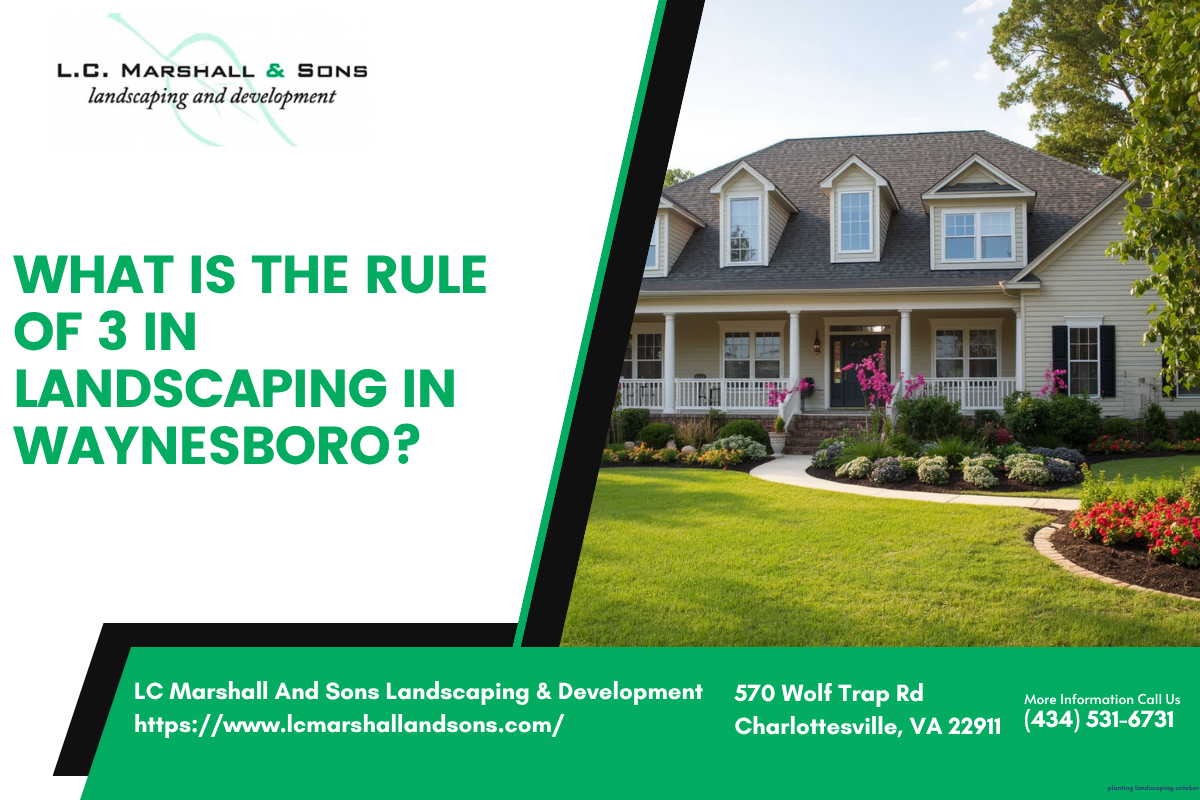
What is the rule of 3 in landscaping?
The "rule of three" is a core principle in garden design used to create natural, visually appealing arrangements. It suggests planting in odd-numbered groups, typically 3, 5, or 7. This avoids the static, unnatural look of pairs or straight lines. It also applies to combining elements: limit your plant palette in a given area to three colors or three textures to create harmony rather than chaos.
Can you plant landscaping in October?
Absolutely. As mentioned, October is arguably the best month for planting in Waynesboro. It is the ideal time for planting trees, shrubs, and many perennials. It is also the perfect window for overseeding your lawn and planting spring-flowering bulbs like tulips and daffodils.
What can I plant in October in Virginia?
October offers a rich planting calendar. Consider adding native Virginia plants like Dogwood trees, Redbuds, or evergreen trees to your landscape. It's also prime time for flowering shrubs, ground cover, and cool-season grasses. For a splash of fall color, you can plant pansies and ornamental kale, which will often last through the winter.
What is the 3-hour gardening rule?
The "3-hour gardening rule" isn't a universal law but a practical guideline for time management, especially for DIY enthusiasts. It suggests that dedicating just three focused hours a week to your garden—one for mowing/edging, one for weeding/tidying, and one for a specific project like pruning or planting—can keep most residential landscapes in excellent shape without feeling overwhelming.
Making the Right Choice for Your Needs
Understanding the seasonal calendar is the first step. The next is applying it to your specific situation.
The New Homeowner
If you've recently moved to the area, you need a comprehensive, long-term plan. Your best approach is to start with a professional landscape design in the winter. This allows you to phase your project logically: hardscaping and major grading in the winter, foundational trees and shrubs in the fall, and lawns or garden beds in the spring or fall, all while respecting your budget and the local climate.
The Project-Focused Renovator
You have an established yard but a specific goal, like a new patio or garden bed. Your timeline should be task-driven. Plan to build the hardscape element in the winter to minimize disruption. If your project involves new plantings around the feature, schedule the build for late summer or early fall, so you can transition directly into planting during the optimal autumn season.
The Hands-Off Maintainer
For those who want a beautiful home landscape without the weekly commitment, a year-round professional maintenance service is the solution. The right partner will operate on a strategic calendar, handling everything from spring cleanup and mulching to summer lawn care, fall overseeding, and leaf removal. This ensures your property receives the right care at the right time, protecting its health and value.
Ultimately, achieving the landscape of your dreams in Waynesboro isn't about a single season, but a smart, year-round strategy. By working with the natural rhythms of the Shenandoah Valley, you ensure every plant, patio, and pathway is set up for lasting success and enjoyment. With decades of experience serving homeowners in Waynesboro and Charlottesville, VA, the team at LC Marshall And Sons Landscaping has the local expertise to build and maintain the outdoor space you've always wanted. Contact us today for a personalized consultation and a free quote for our home services.

Featured Posts