TABLE OF CONTENTS
The best time for foundational landscaping in Charlottesville is not spring, but fall. This strategic shift uses the cooler, wetter months to establish deep-rooted plants and build hardscapes, creating a resilient, water-wise landscape that thrives through Central Virginia's demanding summer with far less maintenance and intervention.
For many homeowners in Charlottesville, the first warm breeze of spring triggers an instinct to call a landscaper. The local garden centers are suddenly bustling, and the desire to plant, build, and beautify the yard is undeniable. It’s a tradition. But after decades of designing, building, and maintaining landscapes across Albemarle County, we at LC Marshall And Sons Landscaping have learned that this tradition, while well-intentioned, often sets up a landscape for a season of struggle rather than success.
The conventional wisdom of a "spring rush" works against the realities of our Central Virginia climate. Our summers are characterized by intense heat, high humidity, and periods of unpredictable drought, creating immense summer lawn stress. Plants installed in April or May have mere weeks to establish a shallow root system before being assaulted by July's heat. This leads to a summer spent on life support: constant watering, battling pests, and watching your investment wither.
We advocate for a different approach—a strategic, year-round cycle that flips the calendar. Our core thesis is simple but transformative: the most critical, high-impact landscaping work should be done in the cooler, wetter months of fall and winter. This method builds a robust, water-wise ecosystem that doesn't just survive our summers, but flourishes, demanding less from you and the environment. It’s about working *with* the seasons in the Piedmont Region, not against them.
Flipping the Calendar: Why Fall is Charlottesville’s Prime Time for Planting
When we talk about foundational work, we mean the projects that form the living backbone of your landscape. This includes planting trees and shrubs, renovating your lawn, and fundamentally improving your soil. Executing these tasks in the autumn months—from September through November—gives your landscape the single greatest advantage it can have: time for root establishment without the stress of heat.
Establishing Deep Roots: Trees, Shrubs, and Perennials
Planting a tree or a collection of shrubs in the fall might feel counterintuitive, as the visible growth above ground is slowing down. But beneath the surface, the real magic is happening. The soil in Charlottesville remains warm well into the late fall, even as air temperatures drop. This combination of cool air and warm soil is the perfect environment for root development. Instead of putting energy into producing leaves and flowers, a fall-planted tree, shrub, or perennial directs all its resources downward, growing a deep and extensive root system.
This head start is invaluable. When spring arrives, these plants are already well-anchored and equipped to absorb moisture and nutrients. They experience significantly less transplant shock and are far better prepared for the ensuing summer. This dramatically increases the success rate of new plantings. It’s also the ideal time to plan for future seasons. Planting bulbs for spring, like daffodils and tulips, in October ensures a spectacular display of seasonal color the following year. Furthermore, for your existing perennial garden maintenance, fall is the time for action. Many perennials benefit from being divided every few years, and the Virginia Cooperative Extension advises that perennials should be divided and transplanted 4-6 weeks before the first freeze (around 24°F) to allow plants to set roots. With Charlottesville's climate, this gives us a generous window for this essential task.
When selecting plants, we emphasize designing for the summer 'stress test' from the very beginning. By choosing climate-appropriate Native Virginia Plants, we create a landscape that is inherently more resilient. These plants are adapted to our soil and rainfall patterns, creating the foundation for a water-wise landscape. One of the best ways to practice Xeriscaping, or water-conscious gardening, is to choose plants native to your region, which require less water to supplement normal rainfall. This approach also allows for the creation of beautiful pollinator gardens that support local wildlife and require less intervention.
The Foundation of a Great Lawn: Fall Renovation and Seeding
If your lawn is the canvas of your landscape, summer often leaves it looking patchy and tired. Trying to seed a lawn in the spring in our USDA Hardiness Zone 7a/7b region is an uphill battle. Young grass shoots are tender and unprepared for the summer heat, and aggressive summer weeds like crabgrass quickly outcompete them. Fall is, without question, the superior season for lawn work.
The City of Charlottesville's own guidance confirms this, stating that if your turf isn't healthy, fall is the ideal time to revamp your lawn. This is because the cool-season grasses that perform best here, such as Tall Fescue and Kentucky Bluegrass, thrive in the mild temperatures of autumn. The soil is still warm enough for rapid germination, and the young grass has two full cool seasons (fall and the following spring) to mature before summer returns.
So, can you grow grass in October in Virginia? Absolutely. In fact, it is one of the best months to do so. A comprehensive fall lawn care program, including lawn aeration to reduce soil compaction and overseeding fescue to thicken the turf, yields remarkable results. This process helps the lawn recover from summer damage and builds a dense, healthy stand of grass that is better equipped to choke out next year's weeds and endure drought.
Amending Our Piedmont Soil: The First Step to Success
Anyone who has dug into a garden bed in Albemarle County knows the challenge: heavy, dense Piedmont Region soil. This clay soil can be a significant hurdle for plant health. It compacts easily, drains slowly, and can make it difficult for roots to penetrate and access oxygen. The key to unlocking its potential is amendment, and fall is the perfect time for this crucial work.
We always recommend starting with professional soil testing to understand the specific nutrient and pH needs of your property. Based on those results, fall is the ideal time to incorporate copious amounts of organic matter, like compost or aged pine bark fines. These clay soil amendments improve soil structure, increase aeration, and enhance drainage over the winter months. This slow, natural integration process creates a rich, friable soil that will support vigorous plant growth come spring.
The Strategic Winter: A Quiet Season of High-Impact Work
Winter in Charlottesville is often seen as a dormant period for landscaping, a time to simply wait for spring. We see it as a golden opportunity. The dormant season offers a unique, low-impact window for projects that are disruptive and difficult to execute during the growing season, particularly hardscaping and critical system audits.
The Ideal Window for Hardscaping Projects
Have you been dreaming of a new flagstone patio, a retaining wall to create more usable space on a sloped yard, or elegant walkways connecting different parts of your garden? Winter is the best time for these hardscaping projects. With perennials dormant and the lawn firm or frozen, our crews can perform patio and walkway installation or retaining wall construction with minimal disturbance to the surrounding landscape. Access with equipment is easier, and there is no risk of damaging a lush, active lawn.
Completing this work in the winter means that when spring arrives, the "bones" of your new outdoor living space are already in place. We can then come in and install the surrounding plantings and apply the finishing touches, allowing you to enjoy your new space immediately when the warm weather returns. This approach also extends to features like outdoor lighting installation, which is far simpler before new spring growth emerges.
Protecting Your Investment: Pruning and System Audits
Winter is the prime season for most tree and shrub pruning. With the leaves gone, the branching structure of deciduous trees and shrubs is clearly visible, allowing for precise, strategic cuts that promote healthy growth and an aesthetically pleasing shape. This is especially true for tasks like Crepe Myrtle pruning, which is best done in the late winter to encourage vigorous summer blooms.
This is also a critical period for water management infrastructure. Late fall is when we perform irrigation system winterization, properly blowing out the lines to prevent costly freeze damage. Then, in the late winter, before the spring rush, we conduct a full irrigation system startup and audit. We can meticulously check for leaks, adjust heads for optimal coverage, and calibrate the system for maximum water efficiency. Finding and fixing a single leak during this period can save hundreds of gallons of water and significant money over the course of a single summer, ensuring your system is ready to perform when it's needed most.
The 'Transition Zone' Payoff: How Off-Season Work Tames Charlottesville's Summer
The strategic work performed in fall and winter culminates in the ultimate reward: a landscape that is prepared for the stress test of a Charlottesville summer. The entire purpose of this "flipping the calendar" approach is to create a resilient, self-sufficient outdoor space that requires less of your time, money, and worry during the hottest part of the year.
The deep root systems established by fall-planted trees and shrubs make them far more drought-tolerant. They are able to access moisture deeper in the soil profile, reducing their dependence on supplemental watering. While a general rule for our area suggests established plants need one inch of rain or water per week during the summer, plants that have had the fall and spring to mature are significantly better prepared to handle this requirement. This directly translates to lower water bills and a more sustainable landscape.
Similarly, a lawn that was aerated and overseeded in the fall is thicker and more robust. Its dense root mat helps it withstand foot traffic and resist summer pests and diseases. When a mid-summer dry spell hits, a fall-renovated lawn will stay green longer and recover more quickly than a spring-seeded lawn. This reduces the need for constant chemical interventions like grub control or fire ant treatment and minimizes the cycle of summer damage and costly repair.
Rethinking Spring: A Season of Enjoyment, Not Overhaul
When you adopt a fall-first landscaping strategy, spring is transformed. It ceases to be a frantic season of heavy lifting and becomes a time for light maintenance, finishing touches, and, most importantly, enjoying the results of your strategic off-season work. The pressure is off.
The Finishing Touches: Color and Growth
With the major installations complete, spring can be dedicated to the details that bring a landscape to life. This is the perfect time for planting annuals to provide vibrant seasonal color in containers and garden beds. A fresh layer of mulching can be applied to conserve soil moisture, regulate soil temperature, and suppress weeds before they get a foothold. It is also the opportune moment for a timely weed control application of pre-emergent herbicides, which prevents weed seeds from ever germinating.
Maintenance and Monitoring
Spring maintenance is about fine-tuning the systems you put in place. This includes the official irrigation system startup, running through all the zones to ensure everything is working perfectly after the winter. It’s a time to begin the lawn fertilization schedule to support healthy growth and to monitor for any early signs of pests or diseases. For example, staying vigilant with Boxwood Blight management is crucial as the weather warms. You get to watch your landscape wake up, confident that its foundation is strong and ready for the season ahead.
A Seasonal Landscaping Comparison for Charlottesville Homeowners
To provide a clear picture, it’s helpful to directly compare the pros and cons of tackling major landscaping projects in each season here in Charlottesville.
Fall/Winter Landscaping (September - February)
- Pros: Ideal conditions for root development, leading to higher plant survival rates and long-term health. Reduced water needs for new plantings. Less competition from weeds. Perfect, low-impact window for hardscaping projects. A proactive approach that prevents summer problems.
- Cons: Unpredictable cold snaps can delay work. Shorter daylight hours for project execution. Plant selection at nurseries may be more limited late in the season.
Spring Landscaping (March - May)
- Pros: Pleasant weather for working outdoors. Wide availability of plants at local garden centers. The instant gratification of seeing a new landscape burst into life.
- Cons: New plantings have minimal time to establish roots before summer heat stress. High water demand for new installations. Wet, heavy clay soil is prone to compaction. Competition with a frantic rush of other projects.
Summer Landscaping (June - August)
- Pros: Easy to identify and address immediate problems like drainage issues or sun-scorched areas of the lawn. Longer daylight hours for work.
- Cons: Extremely high stress on any new plantings, leading to a low success rate. Massive water requirements to keep new plants alive. Intense heat and humidity are hard on labor crews and can damage materials. It's a season for maintenance, not major installation.
Key Factors for Your Landscaping Decision
When you evaluate the best time to landscape, your decision should be based on the factors that deliver the most long-term value. Here’s how the seasonal approaches stack up.
Long-term plant health and resilience
Fall planting is unequivocally superior. It allows plants to build a deep, robust root system over two cool seasons, creating a stronger, healthier plant that is far more resilient to the stresses of heat, drought, and pests for years to come.
Water conservation and cost
A landscape established in the fall requires significantly less supplemental water during its first summer and beyond. This conserves a vital natural resource and directly reduces your utility bills, making it both an environmentally and fiscally responsible choice.
Reduced summer maintenance effort
A strategic fall and winter approach means your summer is spent enjoying your yard, not constantly trying to save it. Healthier plants and a denser lawn require less watering, less weeding, and fewer chemical treatments, freeing up your time and energy.
Success rate of new plantings
The investment in new trees and shrubs is significant. Fall planting dramatically increases their chances of survival and thriving, protecting your investment. Spring-planted specimens face a much more perilous journey through their first summer.
Answering Your Landscaping Questions
Homeowners often ask us similar questions when planning their projects. Here are some brief answers based on our experience in the Charlottesville area.
What is the landscaping season? While many think of a single "landscaping season" in spring, the most effective approach treats it as a year-round strategic cycle. Foundational work happens in fall and winter, while spring and summer are for maintenance and enjoyment. This ensures work is done at the optimal time for the best results.
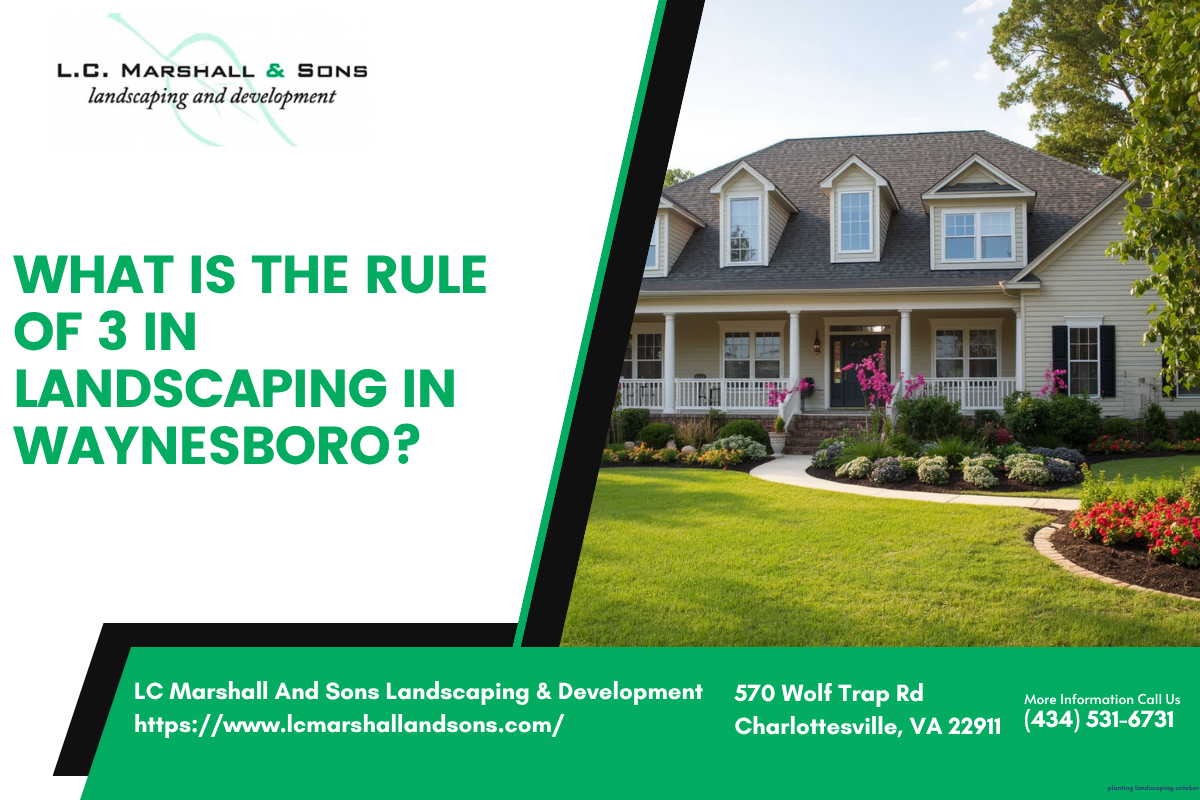
What is the rule of three in landscaping? This is a fundamental principle of landscape design services. The rule of three suggests that planting in odd-numbered groups, particularly threes, creates a more natural, visually appealing, and balanced look than even-numbered groupings. It applies to plants, boulders, or even decorative pots to enhance curb appeal.
Making the Right Choice for Your Needs
The optimal landscaping calendar is not one-size-fits-all. Your personal goals, priorities, and lifestyle should guide your strategy. We tailor our recommendations to fit three main types of homeowners we often work with in the Charlottesville area.
For the Eco-Conscious Homeowner
If your priority is sustainability, water conservation, and creating a habitat that supports local ecology, the fall-first approach is perfectly aligned with your values. We would focus your project on fall installation of Native Virginia Plants to create thriving pollinator gardens. This strategy establishes a landscape that requires less water, fewer chemical inputs, and provides a beautiful, natural aesthetic that is in harmony with the surrounding Piedmont landscape.
For the Busy Professional
Your time is your most valuable asset. You want a beautiful outdoor space without it becoming a second job during the summer. By concentrating the foundational planting and hardscaping work in the fall and winter, we create a low-maintenance landscape for you. The result is a resilient yard that looks great with minimal intervention, freeing up your precious summer weekends for relaxation and entertaining, not endless yard work.
For the Investment-Minded Property Owner
You view your landscape as a critical component of your property's value. Your focus is on long-term health, durability, and return on investment. The fall-first strategy directly protects and enhances this investment. The higher success rate of fall plantings means less money wasted on replacing failed plants. Winter hardscaping is built to last on firm ground. This comprehensive approach ensures the highest quality result, enhances curb appeal, and contributes to a significant increase in your home's long-term value.
Ultimately, the best time to landscape in Charlottesville is part of a thoughtful, year-round strategy that aligns with our local climate, not a race against the calendar in spring. By working with the seasons, we can build a landscape for you that is healthier, more sustainable, and more enjoyable for years to come. For a personalized assessment of your property and a plan tailored to your specific goals, contact our expert team at LC Marshall And Sons Landscaping today for a consultation.

Featured Posts