TABLE OF CONTENTS
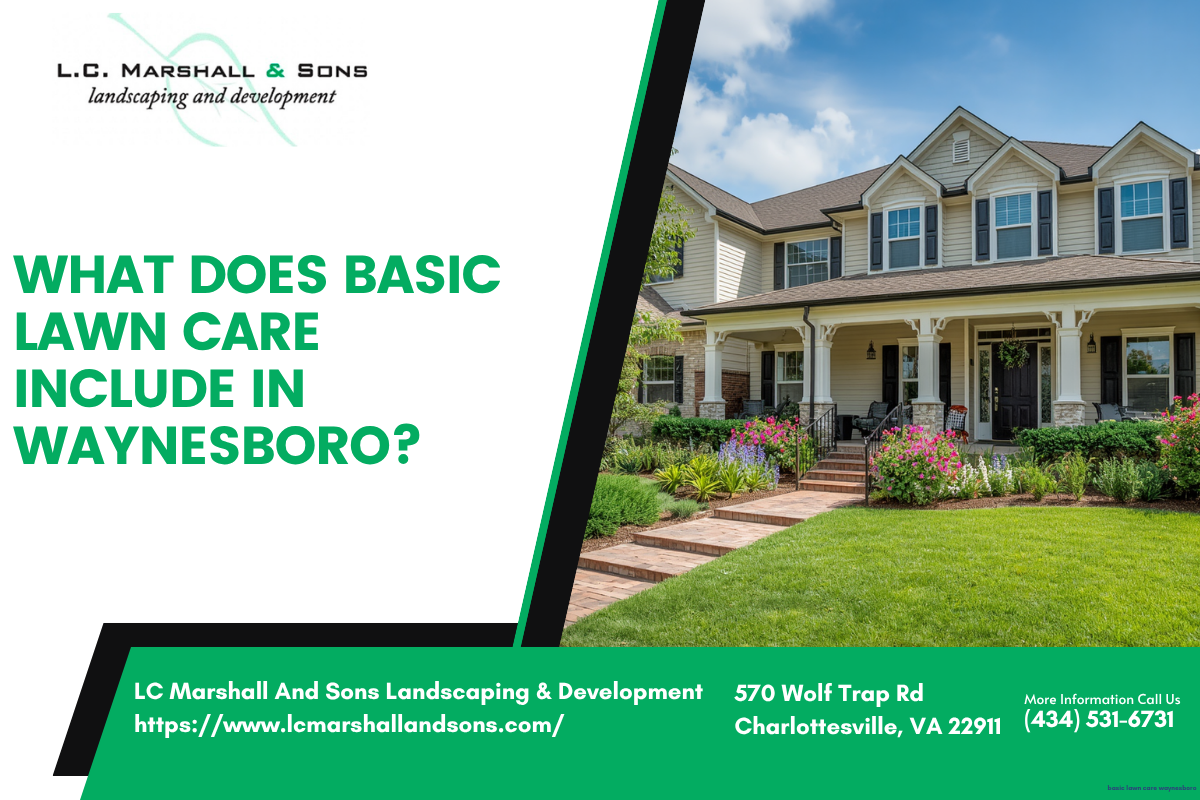
In Waynesboro, basic lawn care service includes foundational services like mowing, fertilization, and weed control, but its modern definition has expanded. True care now strategically addresses local soil health, climate challenges, and homeowner priorities like curb appeal and creating pet-friendly outdoor spaces to maximize property value.
The New Standard: Why "Basic" Lawn Care Is No Longer Basic
For decades, the concept of basic lawn care was simple: a weekly grass cutting, some fertilizer in the spring, and maybe leaf removal in the fall. It was a checklist of chores. But today, especially in communities like Waynesboro, that definition feels outdated. Homeowners now see their yard not just as a parcel of land to be maintained, but as a crucial extension of their home—an asset that directly impacts their lifestyle and financial investment. This shift changes the question from "What tasks are included?" to "What value is being created?"
The core thesis is simple: foundational lawn care is the most cost-effective and highest-impact investment you can make in your property. It’s not about disconnected services; it's about building a comprehensive turf management program that aligns with your goals, whether that’s boosting your home's resale value, creating a safe play area for your children and pets, or simply crafting a beautiful garden retreat.
Beyond Mowing and Fertilizing: Winning the Battle at the Soil Level
Anyone with a property in the Shenandoah Valley region knows that a healthy lawn is not a given. Our unique environment, with its clay-heavy soil and fluctuating weather patterns, presents distinct challenges that a one-size-fits-all approach simply cannot solve. True basic care starts underground, addressing the native soil and local climate challenges, not just the visible symptoms on the surface.
The first step a true pro takes is understanding what they're working with. This involves professional soil testing to analyze pH levels and nutrient deficiencies. To properly test lawn soil, a sample should be taken from an approximate depth of 4 inches to analyze its composition and needs. This analysis dictates the entire lawn treatment services strategy. For instance, much of the soil in Augusta County and surrounding areas tends to be acidic, which hinders grass growth by preventing nutrient uptake. A targeted lime application can correct this imbalance, effectively "unlocking" the potential of any fertilization program. Without this step, you could be wasting money on fertilizer that your lawn can't even use.
From there, a strategic plan addresses other foundational elements:
- Core Aeration: This service is critical for compacted clay soil. Lawn aeration pulls small plugs of soil from the ground, allowing water, oxygen, and nutrients to penetrate deep into the root zone, which is essential for surviving summer lawn stress.
- Overseeding: Combining aeration with overseeding is a powerful way to introduce stronger, more resilient grass varieties. Applying the right grass seed application for our region ensures a denser, healthier lawn that can naturally choke out weeds.
- Targeted Weed and Pest Control: Instead of blanket chemical applications, a modern approach involves integrated pest management and targeted weed control, including crabgrass prevention in the early spring. This protects your family, pets, and the local ecosystem while effectively managing grub control and other common lawn disease treatment issues.
The Curb Appeal Engine: Your Lawn as a High-Return Investment
A well-maintained landscape is no longer just a source of pride; it's a powerful financial tool. Consistent, foundational care is the single most effective investment for boosting your home's value. While a full landscape redesign can be a significant undertaking, the ongoing property maintenance of a lush, healthy lawn provides an immediate and striking visual impact that defines a property's curb appeal.
This isn't just about aesthetics. In many places, there are minimum standards. For example, in Waynesboro, GA, the city's code of ordinances defines a public nuisance as the failure to maintain a lawn in such a manner that it does not exceed 12 inches in height. But meeting the bare minimum doesn't create value. A professional lawn service transforms a property from merely "not a nuisance" into a standout home. Edging and trimming along walkways, pristine garden bed maintenance, and a vibrant, green turf create a first impression that can significantly influence buyer perception and final sale price.
What Does a Basic Lawn Care Package Include?
While packages vary, a modern, value-focused "basic" full-service lawn care package should offer more than just a lawn mowing service. It should be a program. Expect to see services such as:
- Regular Mowing: Weekly or bi-weekly service, depending on grass growth rates during the season.
- Edging and Trimming: Defining clean lines around driveways, walkways, and garden beds.
- Debris Clearing: Blowing clippings off hard surfaces for a clean finish.
- Seasonal Fertilization: A schedule of treatments including a winterizer application in the fall.
- Weed Control: Both pre-emergent and post-emergent applications.
Advanced programs build on this foundation with lawn aeration, overseeding, and comprehensive tree and shrub care.
Introducing 'Barkitecture': Adapting Lawn Care for Your Four-Legged Family
A major shift in residential landscaping priorities is the focus on pets. Surveys show 70% of gardeners also own pets, with homeowners and renters increasingly factoring pets into their outdoor designs in a trend dubbed ‘barkitecture.’ This means "basic lawn care" must now consider the durability, safety, and beauty of a space shared with animals.
Adapting your lawn service for pets involves several key considerations:
- Pet-Friendly Lawn Treatment: Opting for organic lawn care options or ensuring conventional treatments are applied safely with adequate drying time before pets are allowed back on the grass.
- Durable Grass Selection: Choosing turf varieties that can withstand traffic and recover quickly from digging and play.
- Safe Pest and Weed Management: Utilizing products and strategies that are non-toxic to animals is paramount.
- Thoughtful Design: This can extend to mulching services, where pet-safe mulches are used, and ensuring that any plants included in garden maintenance are non-toxic.
Creating a pet-centric yard doesn't mean sacrificing beauty. A knowledgeable team can help you build a lawn that is both resilient and aesthetically pleasing, ensuring a safe and enjoyable outdoor space for every member of your family.
The Local Pro Payoff: Why Waynesboro's Environment Demands Local Expertise
In the age of apps and national service aggregators, it can be tempting to search for "affordable lawn care" and choose the lowest price. However, Waynesboro's unique environment, from Franklin County to Cumberland Valley, makes local expertise more valuable than ever. A national company operating from a call center hundreds of miles away won't understand the specific timing for crabgrass prevention in our area or recognize the early signs of a fungus common to the VA climate.
Local landscapers and landscaping contractors offer tangible benefits:
- Regional Knowledge: They know the soil, the common weeds, the pests, and the weather patterns. This expertise is built over years of working on residential properties right here.
- Accountability: A local LLC is part of the community. Their reputation depends on client satisfaction. You know who you are working with, and the team is accountable for the results.
- Customized Solutions: Local pros can provide an accurate lawn service quote based on a real assessment of your property, not a satellite image and an algorithm. They can offer a free estimate that truly reflects the work needed.
How Much Should Weekly Lawn Care Cost?
Lawn mowing cost is a major consideration. While prices vary based on property size, terrain, and the scope of services, a typical weekly lawn maintenance service in the region can range from $50 to $90+ for an average-sized residential lawn. It's crucial to understand what that price includes. A lower cost might only cover a basic grass cutting, leaving you to handle fertilization, weed control, and seasonal yard cleanup yourself. A comprehensive lawn care package, while a higher upfront cost, often provides better value and superior results over time.
A Note on Free Senior Yard Services
We often get questions about who qualifies for free senior yard services. It’s important to clarify that these wonderful programs are typically offered by local non-profit organizations, church groups, or municipal volunteer initiatives. As a professional, licensed and insured commercial business, we are not structured to offer free services, but we encourage seeking out these community resources for those who may qualify.
Comparing Lawn Care Philosophies: Finding Your Fit
Understanding the different approaches to lawn care is key to making a confident decision. Here’s a breakdown of the common models based on what matters most to homeowners.
Approach 1: Traditional Lawn Maintenance (Task-Based)
- Impact on property value and ROI: Minimal and passive. Maintains a basic standard but does little to actively increase value.
- Alignment with lifestyle needs: Low. Focuses on the lawn as a chore, not an active living space for entertaining or pets.
- Enhanced curb appeal: Basic. The lawn looks "cut," but lacks the polished, healthy appearance that truly turns heads.
- Long-term sustainability and lawn health: Often poor. Task-based services can miss underlying issues like soil compaction or disease, leading to decline over time.
Approach 2: Modern Strategic Landscaping (Value-Based)
- Impact on property value and ROI: High. Actively works to improve turf density, color, and overall health, directly contributing to a higher property valuation.
- Alignment with lifestyle needs: Moderate to High. The primary focus is on the health and beauty of the lawn as an asset, which naturally supports most lifestyle uses.
- Enhanced curb appeal: Excellent. This approach is designed specifically to create a lush, vibrant, and perfectly manicured appearance.
- Long-term sustainability and lawn health: Excellent. Based on agronomic science, this model addresses root causes to build a resilient, self-sustaining lawn.
Approach 3: Specific Homeowner Lifestyle Priorities (e.g., 'Barkitecture')
- Impact on property value and ROI: High. Tailoring the yard to specific, in-demand features like a pet-friendly space can be a major selling point.
- Alignment with lifestyle needs: Excellent. The entire program is custom-built around how the homeowner and their family (including pets) live.
- Enhanced curb appeal: High. Combines aesthetic principles with functional requirements for a yard that is both beautiful and usable.
- Long-term sustainability and lawn health: High. Must build a healthy, resilient lawn as the foundation to withstand the specific lifestyle demands (e.g., high foot traffic from pets).
Making the Right Choice for Your Needs
The best lawn care program is the one that aligns perfectly with your specific goals for your property. There is no single "best" option, only the right choice for you.
For the Value-Maximizing Home Seller:
Your goal is maximum impact in minimum time. Focus on a strategic approach that prioritizes high-visibility improvements. A program featuring core aeration, overseeding, and a robust fertilization schedule can dramatically improve turf color and density in a single season. Combine this with meticulous edging, fresh mulching services, and shrub trimming to frame your home perfectly for sale.
For the Pet-Focused Family:
Your priority is a safe, durable, and functional outdoor living space. You need a lawn care partner who understands 'barkitecture'. Seek out pros who specialize in pet-friendly lawn treatment and organic lawn care options. Discuss durable grass seed varieties and a maintenance plan that can handle the wear and tear of active pets, ensuring the lawn remains a healthy asset, not a muddy problem.
For the New Waynesboro Resident:
Welcome to the area! Your first step is to get a professional assessment of your new property. You need a foundational plan. Start with a comprehensive soil test to understand your baseline. Your initial services should focus on establishing long-term lawn health: a lime application if needed, core aeration to combat compacted soil, and a seasonal cleanup (spring cleanup or fall cleanup/leaf removal) to get a clean slate. This sets you up for success for years to come.
Ultimately, investing in a professional lawn care service is about more than just saving time; it's about leveraging expert knowledge to protect and enhance one of your most significant assets. The right team can help you navigate the unique challenges of our local environment and build a lawn that truly meets your needs. For homeowners in Waynesboro, Staunton, Fishersville and across the Valley, LC Marshall And Sons Landscaping offers a custom, client-focused approach. Our team, based in Charlottesville, VA, brings decades of regional experience to every project. For a personalized assessment of your property and a free quote, contact our pros today to help you build the beautiful, healthy lawn you deserve.

Featured Posts