TABLE OF CONTENTS
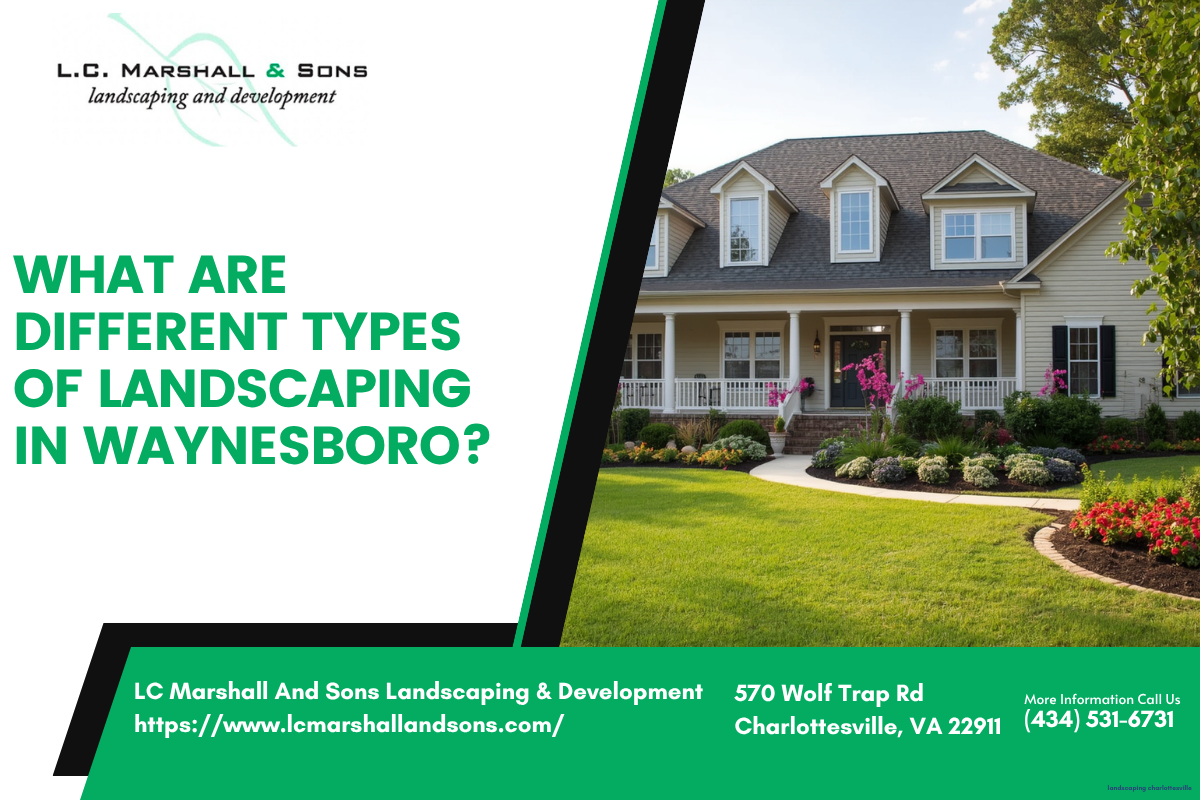
The different types of landscaping in Waynesboro, VA, are moving beyond traditional private lawns. The dominant trend is a shift towards integrated, community-focused designs facilitated by the modern landscaping company, which embraces the Shenandoah Valley's natural ecology. By utilizing native plants and local stone, these professionals are aligning with the city's urban forestry goals to create a more sustainable outdoor environment.
Beyond the Backyard: How Community Design is Reshaping Our Green Spaces
For decades, the classic image of a home included a private, manicured lawn—an isolated patch of green. Today, that ideal is evolving, especially here in Waynesboro. The defining characteristic of modern landscaping in our area isn't about a single garden style, but rather a fundamental shift in how we view our outdoor spaces. We're moving away from disconnected backyards and toward integrated landscapes that serve both the individual and the community.
This isn't just a local trend. Across the nation, community design trends are moving towards increased density and smaller living footprints, creating a greater need for well-designed public and shared green spaces. In our city, this translates into new developments featuring communal courtyards, shared walking paths connecting properties, and front yard landscaping designed to be open and welcoming rather than closed off. The goal is no longer just curb appeal for one house, but creating a cohesive, beautiful neighborhood fabric.
The Shenandoah Aesthetic: Embracing a Naturalistic Approach
When clients ask us about the most popular local style, the answer is clear: the Shenandoah Aesthetic. This approach is a direct response to our unique environment, nestled in the Blue Ridge Mountains. It favors naturalistic transformations over the generic, high-maintenance designs that could be found anywhere in the country. The focus is on creating a landscape that looks like it belongs in the valley.
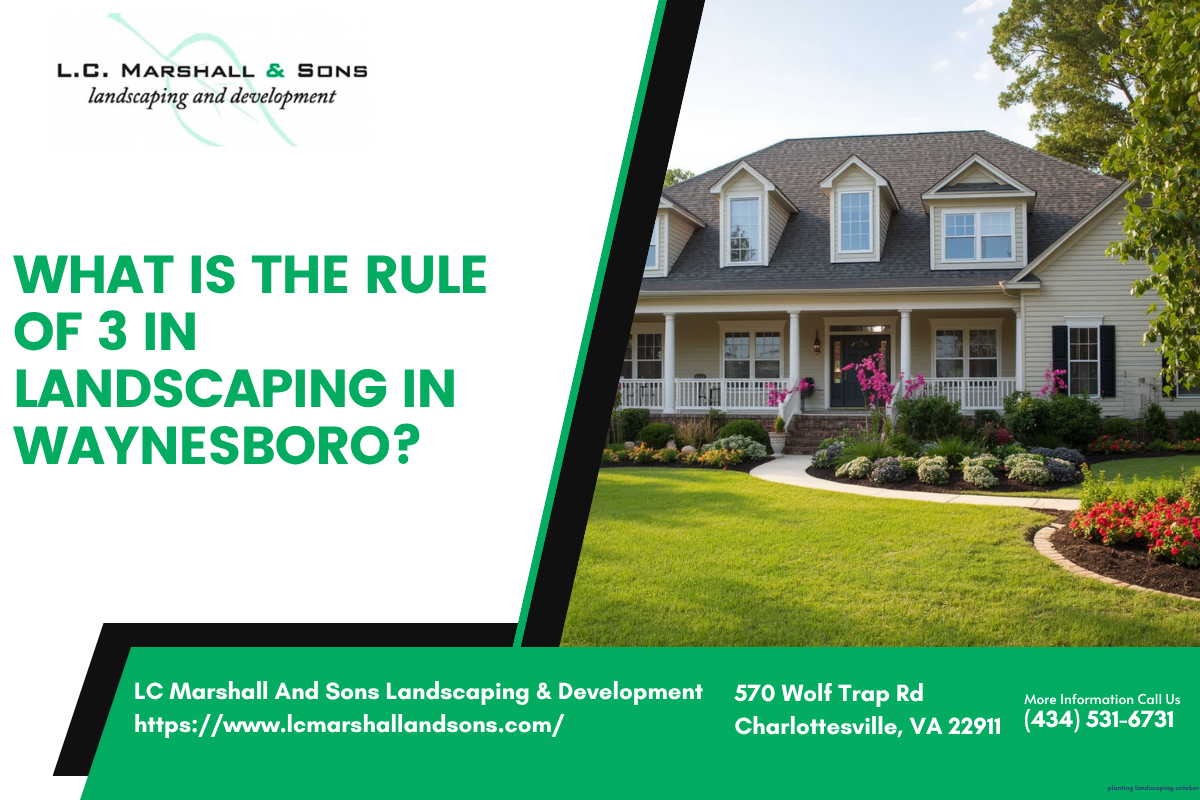
This means prioritizing softscaping with native plants. There's a growing understanding that yards should contain more native plants because of the incredible biodiversity they support, from pollinators to songbirds. Practical benefits are a major driver as well; using deer-resistant plants and drought-tolerant landscaping is simply a smart choice for any property in Augusta County. Design principles like the "rule of 3"—grouping plants in odd numbers for a more natural look—are frequently used to create visually appealing perennial gardens and beds of ornamental grasses. For hardscaping, the preference is for local, natural stone walkways and bluestone patios that complement the rugged beauty of the region, rather than manufactured pavers that feel out of place.
Urban Forestry as a Design Principle
Modern landscaping choices in Waynesboro are increasingly influenced by the city's own environmental goals. A healthy ecosystem isn't an afterthought; it's a core design principle. This aligns with a more advanced understanding of what a landscape should do. A modern definition of sustainable landscape architecture includes creating strong, resilient ecosystems and designing spaces that are equitable and engaging for all residents. This public commitment to urban forestry directly impacts private landscape design.
Professionals in the field are no longer just focused on a turnkey installation. We're moving from simply providing a service to creating a sustainable ecosystem. This means every project, whether it's residential or commercial landscaping, is an opportunity to contribute to the community's environmental health. This could involve the strategic planting of shade trees to help cool neighborhoods, the installation of rain gardens to manage stormwater runoff and protect the South River, or employing advanced drainage solutions and erosion control methods on properties with challenging grades. It's a holistic approach that sees every yard as part of a larger, interconnected system.
Key Factors in Modern Waynesboro Landscaping
When planning a new landscape project, it's helpful to compare the core philosophies driving today's designs. Here’s how they stack up based on the factors that matter most to property owners.
Ecological Impact
Isolated Private Lawns: Generally low ecological value. Often require significant water, chemical fertilizers, and herbicides, offering little support for native wildlife.
Integrated Community Designs: Can have a positive impact by creating larger, contiguous green spaces and wildlife corridors. The scale allows for more significant plantings of trees and native species.
Ecologically-Driven Landscaping: Highest positive impact. Actively supports local ecosystems by using native plants, creating pollinator habitats, and managing water sustainably through features like rain gardens.
Community Integration vs. Private Focus
Isolated Private Lawns: Maximizes privacy but can lead to social isolation. The focus is entirely on the individual property.
Integrated Community Designs: Explicitly designed to foster interaction and a sense of community through shared outdoor living spaces, gardens, and pathways.
Ecologically-Driven Landscaping: Can be applied to either private or public spaces, but its benefits (like attracting birds and butterflies) often spill over to enrich the wider neighborhood.
Long-Term Sustainability & Maintenance
Isolated Private Lawns: High maintenance. Requires regular mowing, watering, and chemical treatments to maintain a monoculture of turf grass.
Integrated Community Designs: Maintenance is often shared through an HOA, potentially reducing individual burden. The design can be sustainable, but it depends on the specific plant and material choices.
Ecologically-Driven Landscaping: Lowest long-term maintenance. Once established, native plant landscaping requires less water, no chemical fertilizers, and less upkeep than traditional lawns. This is often the most cost-effective approach over time.
Alignment with Urban Goals
Isolated Private Lawns: Often conflicts with goals for water conservation, biodiversity, and reducing chemical runoff.
Integrated Community Designs: Strongly aligns with goals for creating walkable, socially connected communities and preserving shared green space amidst denser development.
Ecologically-Driven Landscaping: Directly supports urban forestry goals by increasing tree canopy, improving air and water quality, and creating a more resilient urban ecosystem.
Making the Right Choice for Your Needs
The "best" type of landscape depends entirely on your property, goals, and lifestyle. There is no one-size-fits-all solution, but we can offer guidance based on common priorities.
For the Eco-Conscious Homeowner:
Your priority is a landscape that gives back to the Shenandoah Valley ecosystem. You should focus on replacing turf with native perennial gardens, flowering shrubs, and ground cover plants. A landscape consultation can help you identify the right species for your specific light and soil conditions. Consider features like rain gardens for water management and organic lawn care practices for any remaining grass.
For the Community Developer or HOA Board Member:
Your focus is on creating value and fostering community. You should prioritize integrated designs that create functional and beautiful shared outdoor living spaces. Think about well-lit natural stone walkways connecting homes, a central patio installation with a fire pit, or a playground area surrounded by durable, low-maintenance plantings. These amenities increase property value and resident satisfaction.
For the Modern Family:
You're looking for a beautiful, functional extension of your home. Your ideal landscape likely combines elements of hardscaping and softscaping. This could mean an outdoor kitchen on a new patio for entertaining, raised garden beds for growing vegetables with the kids, and a small, manageable lawn area for play, bordered by attractive, low-maintenance native plants that add color and life to your backyard design.
Ultimately, transforming your outdoor space is a significant investment, and the right partner can make all the difference. For over 40 years, the team at LC Marshall And Sons Landscaping has provided comprehensive services, from landscape design and grading and site preparation to final installation and maintenance. Based in Charlottesville, VA, we have a deep understanding of the regional horticulture and a commitment to quality craftsmanship. For a personalized assessment of your property and a free landscaping estimate for your next project, contact our expert team today.

Featured Posts